How does proximate cause affect liability?
To prove a cause of action for negligence in Massachusetts, you must establish the existence of multiple elements including the existence of a duty of care owed to you on the part of the defendant, the breach of that duty, and harm to you caused by that breach. Of these elements, causation can be one of the more challenging because it has two parts: actual causation, and proximate causation.Proximate cause becomes an issue the more that third party acts take place between the defendant’s initial act of negligence and the harm suffered. If any of these third party actions can be seen as breaking the chain of causation between the defendant’s act and the harm, then proximate cause can fail and with it the negligence cause of action. Actual causation: This form of causation is also known as “cause in fact”. This is the easier of the two sub-elements of causation to demonstrate, as you only need to show that you were injured at some point after the defendant’s negligent act.Proximate causation: Proximate cause is also referred to as “but for” causation, meaning that the injury you suffered would not have occurred but for the act of the defendant. It differs from actual causation in that proximate cause depends on the foreseeability of the injury: if the cause of the injury is too far removed from the foreseeable consequences of the defendant’s actions, then proximate cause becomes problematic to prove.If you have been injured in something like a car accident involving another driver whose conduct you believe caused the collision, your personal injury attorney can help you to identify and address questions of actual and proximate causation.
 Automobile Accident, Motorcycle Accident, Bicycle Accident
 Bicycle Accidents
 Pedestrian Accidents
 Be Safe Rules
 Boating Accidents
 Slip and Fall Accidents
 Sports & School Injuries
 Work-Related Injuries
 Dog Bites
 Sexual Abuse
 Nursing Home Injuries
 Insurance Disputes
 Products Liability
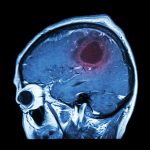 Traumatic Brain Injures
 Wrongful Death
 Burn Injuries
 Complex Pain Syndrome (RSD)